The Pantry Philosophy
A functional pantry works on two levels. The first level is the backbone: shelf-stable ingredients that form the base of most meals you cook. These rarely change and are replaced as you use them. The second level is the flavor layer: condiments, spices, sauces, and finishing ingredients that transform simple bases into distinct dishes.
When both levels are stocked, you can open your refrigerator, grab whatever fresh protein or vegetable is available, and combine it with pantry staples to produce a complete meal. No recipe required, no last-minute grocery run.
Oils and Vinegars
**Extra-virgin olive oil.** Your everyday cooking and finishing oil. Buy a mid-range bottle for cooking (heat diminishes the subtleties of expensive oils) and a nicer bottle for drizzling on finished dishes and salads. Store away from light and heat.
**Neutral oil.** Canola, vegetable, or grapeseed oil for high-heat cooking like stir-frying, searing, and deep-frying. These oils have high smoke points and neutral flavors that will not compete with your other ingredients.
**Toasted sesame oil.** A few drops transform any Asian-inspired dish. Used as a finishing oil, not a cooking oil, because it burns at relatively low temperatures.
**Red wine vinegar.** A workhorse for vinaigrettes, marinades, and deglazing pans. Its sharp acidity brightens rich dishes.
**Rice vinegar.** Mild and slightly sweet. Essential for Asian dressings, quick pickles, and sushi rice.
**Balsamic vinegar.** Deep, sweet, and complex. Use the everyday variety for cooking and a good aged balsamic (it will be thick and syrupy) for finishing.
Canned and Jarred Goods
**Canned tomatoes.** Whole peeled San Marzano-style tomatoes are the most versatile. You can crush them by hand for a chunky sauce, blend them smooth, or use them whole in braises. Keep four to six cans on hand at all times.
**Canned beans.** Chickpeas, black beans, and cannellini beans. They add protein, fiber, and substance to soups, salads, tacos, and grain bowls in minutes. Drain and rinse them before using to remove excess sodium and the starchy canning liquid.
**Coconut milk (full-fat).** The base for curries, soups, and dairy-free sauces. The full-fat version creates richer, more stable sauces than light coconut milk.
**Tomato paste.** Concentrated tomato flavor in a tube or can. A tablespoon adds depth and body to sauces, soups, and braises.
**Fish sauce.** Do not let the smell deter you. Fish sauce adds an umami depth to dressings, stir-fries, and marinades that no other ingredient replicates. A small bottle lasts months.
**Soy sauce.** Regular (not low-sodium for cooking — you control the salt) soy sauce is indispensable for Asian-inspired cooking, marinades, and adding savory depth to Western dishes like stews and gravies.
Grains and Starches
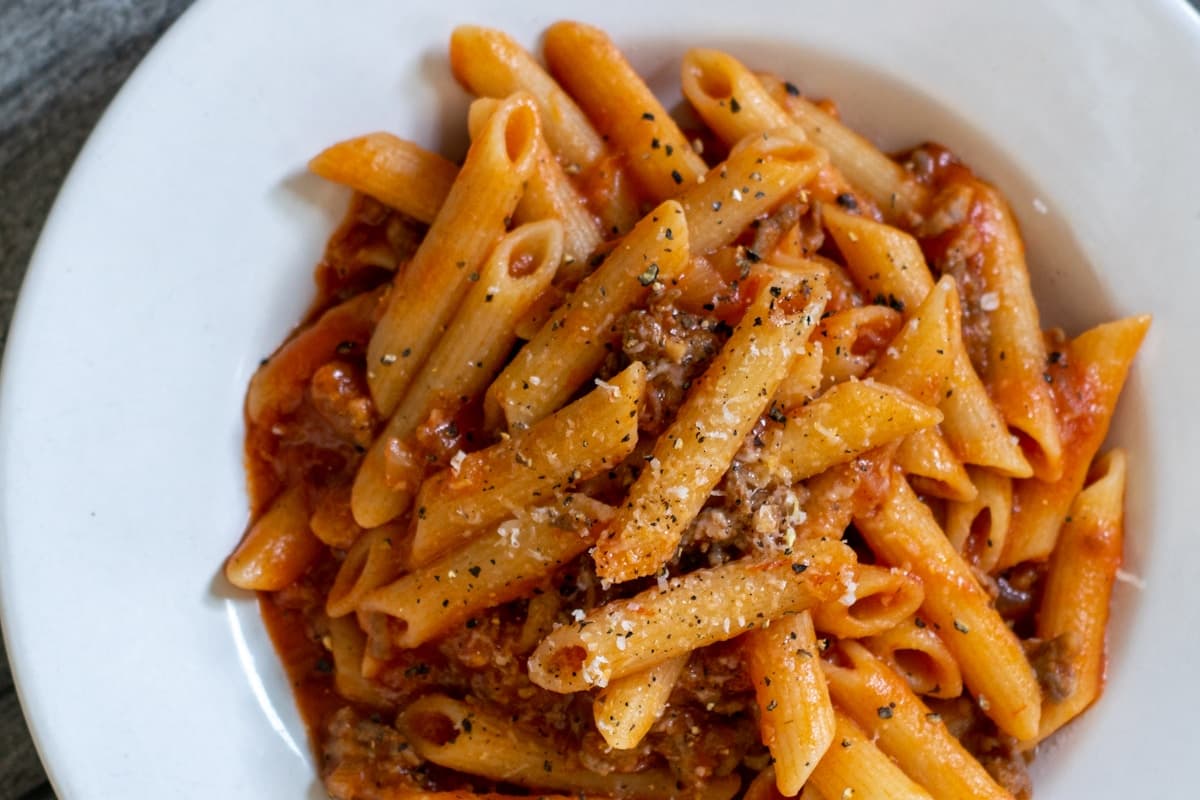
**Dried pasta.** Keep at least two shapes: a long pasta (spaghetti or linguine) and a short pasta (penne or rigatoni). Three boxes minimum.
**Rice.** Long-grain white rice (like jasmine or basmati) covers most needs. If you eat rice frequently, keep both a long-grain and a short-grain (for sushi bowls or risotto-style dishes) variety.
**Quinoa.** Cooks in fifteen minutes, stores well, and adds protein to bowls and salads. Rinse before cooking to remove the bitter saponin coating.
**All-purpose flour.** For thickening sauces, dredging proteins, and basic baking. Store in an airtight container.
**Panko breadcrumbs.** Lighter and crunchier than standard breadcrumbs. Essential for coating chicken cutlets, topping casseroles, and adding texture to baked dishes.
Nuts, Seeds, and Dried Fruit
**Raw nuts.** Almonds, cashews, and walnuts. Toast them lightly in a dry pan before using — heat intensifies their flavor dramatically. Add to salads, grain bowls, stir-fries, or eat as a snack.
**Sesame seeds.** White and black. A sprinkle adds visual appeal and a subtle, nutty crunch to Asian dishes, salads, and roasted vegetables.
**Dried cranberries or raisins.** A sweet counterpoint in grain salads, pilafs, and trail mixes.
Sweeteners and Baking Essentials
**Honey.** More than a sweetener — it caramelizes beautifully in marinades, balances spicy and acidic sauces, and makes excellent salad dressings when whisked with mustard and vinegar.
**Brown sugar.** Adds moisture and molasses depth to rubs, sauces, and baked goods. Store in an airtight container with a terra cotta sugar saver to prevent hardening.
**Kosher salt.** Your primary seasoning salt. Diamond Crystal and Morton are the two main brands — they measure differently (Diamond Crystal is flakier and less dense), so pick one and stick with it.
**Black pepper (whole peppercorns).** A pepper mill filled with whole peppercorns produces freshly cracked pepper that is dramatically more aromatic and flavorful than pre-ground pepper.
Condiments and Sauces
**Dijon mustard.** Sharp, smooth, and emulsifying. It is the base of countless vinaigrettes and adds pungent heat to marinades and sauces.
**Hot sauce.** Keep at least one — sriracha, Frank's RedHot, or a Mexican-style hot sauce like Valentina. Each has a distinct flavor profile that suits different cuisines.
**Soy sauce.** Already mentioned, but worth repeating: it is essential.
**Miso paste (white).** A tablespoon of white miso dissolved into soups, dressings, or marinades adds a deep, savory complexity. Keeps for months in the refrigerator.
Building Your Pantry Over Time
You do not need to buy everything at once. Start with the ingredients you use most often and expand from there. A practical approach:
**Week 1:** Olive oil, salt, pepper, canned tomatoes, dried pasta, rice, garlic, onions, soy sauce, chicken or vegetable broth.
**Week 2:** Add vinegar, canned beans, coconut milk, Dijon mustard, cumin, paprika, chili flakes.
**Week 3:** Add fish sauce, sesame oil, honey, tomato paste, flour, breadcrumbs.
**Week 4:** Add nuts, miso paste, additional spices based on the cuisines you cook most.
Within a month, you will have a pantry that supports dozens of meals. From there, add specialty ingredients as specific recipes call for them. Over time, your pantry becomes a reflection of how you cook — a personalized collection of ingredients that makes dinner possible on even the busiest nights.
Storage Tips
Keep your pantry organized and rotated. Move older items to the front when you add new purchases. Store opened bags of flour, sugar, and grains in airtight containers to keep out moisture and pests. Write purchase dates on spice jars. Discard anything that smells off or has been open for more than a year without being used.
A well-maintained pantry is not a museum of ingredients. It is a working kitchen resource that should be used, replenished, and occasionally edited. If something has sat untouched for six months, it probably does not belong in your rotation.